

Parking Lot House of Horrors: 7 Hazards Haunting Property Managers
Discover the seven most common parking lot problems haunting property managers.
The fresh appearance and smooth feel of driving on new pavement creates an invaluable first impression for any business. That’s true in all climates and all seasons, year-round.But the real test for parking lots comes during harsh winter months, especially in regions where cold weather, snow, and ice are part of everyday life.
Understanding how cold weather affects paved surfaces, as well as how to prepare for it, can help property owners and facility managers avoid costly damage and extend the life of their pavement investments.
Bitumen is the petroleum-based product that binds together the aggregates used in asphalt – it’s what makes “blacktop” black. When heated, bitumen becomes molten and allows the spreading of blacktop to conform to the shape and size of the area to be paved before cooling and hardening into such a ubiquitous and useful surface. When new, bitumen is flexible and elastic, allowing asphalt to withstand heavy traffic and general abuse without impacting its performance or appearance.
Think of new asphalt like a fresh rubber band: it stretches and moves under the weight of heavy trucks. However, bitumen, the liquid “glue” that holds your pavement together, is sensitive to the thermometer.
When temperatures plummet, the oils that keep asphalt flexible begin to stiffen. In the industry, we call this “oxidized brittleness.” Much like a rubber band left out in the cold, the pavement loses its ability to flex and snaps.
This lack of flexibility sets the stage for the most destructive force in paving, known as the Freeze-Thaw Cycle. When water gets into a crack and freezes, it expands by approximately 9% in volume. This expansion exerts thousands of pounds of pressure per square inch (PSI) from the inside out. Instead of absorbing that pressure, brittle winter asphalt simply snaps. This creates a “domino effect”:
Want to reduce winter damage before it starts? Download our free Winter Parking Lot Maintenance Checklist to quickly identify high-risk areas, prevent water intrusion, and prioritize repairs before freezing temperatures take hold.
In winter climates, damage doesn’t just come from above; it starts below the surface.
As moisture in the subgrade freezes, it expands and pushes the pavement upward, creating frost heaves which look similar to dangerous, speed-bump-like ridges. When temperatures rise, the ice melts and the pavement settles unevenly, leaving voids beneath the surface. These weak spots quickly collapse into potholes.
Snowplows compound the problem. Raised edges catch blades, turning minor defects into major failures in a single pass.
The same gaps from expansion and contraction of asphalt due to temperature swings allow water from rain and melting ice and snow to penetrate pavement. This often causes sections of an asphalt surface to sink unevenly as the road base supporting it packs down or washes away. That unevenness makes the pavement more prone to damage and leaves an unpredictable surface whose performance degrades quickly, issues that similarly are increased by repeated snow plowing in the same way as with frost heaves and potholes.
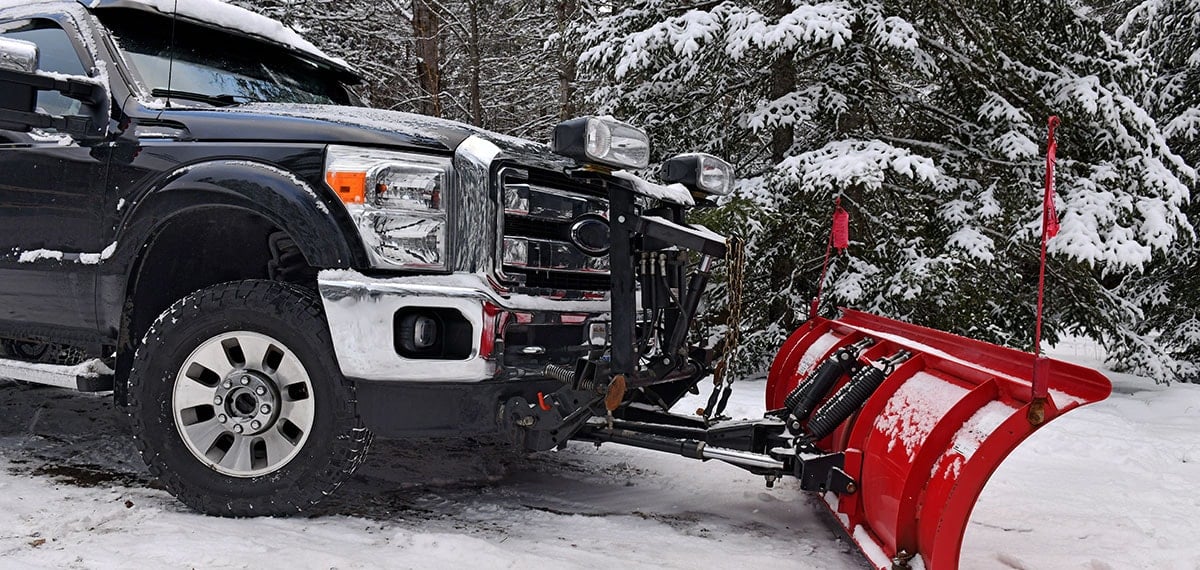
The best time to deal with a winter pothole is before the first snowflake falls. Once the ground freezes, many permanent repair options (like hot-mix asphalt) become much more difficult to implement.
To mitigate the effects of harsh weather, we recommend a proactive “Winter-Proofing” strategy:
Thankfully, G-FORCE® Parking Lot Striping specializes in the exact preventative maintenance needed to shield your property. Our Veteran-owned teams use a disciplined, military-inspired approach to ensure every square inch of your lot is protected, preserving both its professional appearance and your bottom line. Find a G-FORCE® location near you to prepare your parking lot for the tough winter ahead!
Discover the seven most common parking lot problems haunting property managers.

Sealcoating is one of the most effective ways to protect that investment, but the benefits only hold up if the product is applied under the right conditions.
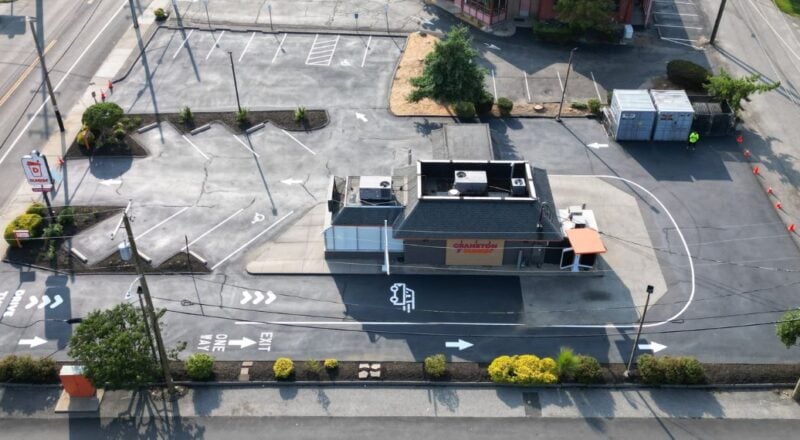
Learn how to reduce parking lot accidents with smart layout, fresh striping, ADA compliance, and pavement maintenance.
 Request Estimate