

Parking Lot House of Horrors: 7 Hazards Haunting Property Managers
Discover the seven most common parking lot problems haunting property managers.
Sealcoating is one of the most cost-effective ways to protect an asphalt surface and extend its usable life — in fact, it’s just one of several worthwhile benefits of sealcoating your asphalt surface — but property owners often want to understand what actually drives the price before requesting a quote. While every project is different, the cost of sealcoating is shaped by a consistent set of variables: the size and condition of the surface, the type of material used, and local labor and market conditions. Understanding these factors can help you evaluate quotes more confidently and avoid surprises once work begins.
There is no single “typical” price for sealcoating, since costs vary widely based on the specific characteristics of a job. Rather than relying on a generic number, it’s more useful to think of sealcoating pricing as a range that shifts depending on surface size, existing pavement condition, material choice, and the contractor performing the work. Smaller residential driveways will generally cost less in total than large commercial lots simply due to the amount of material and labor involved, while more complex or deteriorated surfaces may require additional preparation that adds to the overall price. Getting a personalized quote is the only reliable way to know what a project will cost.
Several core variables affect how much a sealcoating project will cost. Understanding each one helps clarify why quotes can differ significantly between properties, even ones that seem similar at first glance.
Larger surfaces naturally require more sealcoating material and more labor hours, which increases overall cost. However, size isn’t the only consideration. The existing condition of the asphalt matters just as much. A surface with cracks, potholes, or significant wear will typically need repair work, crack filling, or additional prep before sealcoating can be applied effectively — and if the damage is extensive, it may be worth asking the right questions of a pothole repair contractor before moving forward. Surfaces in good condition that only need routine maintenance are generally quicker and less involved to seal than those requiring extensive pre-treatment.
Not all sealcoating products are the same, and material choice plays a meaningful role in cost. Coal tar-based sealers and asphalt emulsion sealers are the two most common categories, each with different durability characteristics, application requirements, and environmental considerations. Higher-quality or specialty formulations designed for heavier traffic or harsher climates tend to cost more than standard products, but they may also offer longer-lasting protection, which can affect long-term value even if upfront pricing is higher.
Labor costs vary by region due to differences in local wage standards, demand for paving services, and the cost of doing business in a given area. Contractors in areas with higher operating costs or strong seasonal demand may price jobs differently than those in regions with more competition or lower overhead. Weather patterns and climate can also influence labor considerations, since sealcoating is typically performed during specific temperature and moisture conditions — cold weather in particular has a significant impact on pavement and on scheduling — which can affect timing and, in turn, pricing during peak season.
Residential and commercial sealcoating projects differ in scope, which affects overall pricing structure. Residential jobs, such as driveways, are usually smaller and more straightforward, often completed in a shorter timeframe with less equipment. Commercial properties, including parking lots, tend to involve larger surface areas, more complex layouts, line striping needs, and sometimes phased work to accommodate ongoing business operations. For larger commercial sites, breaking repairs and sealcoating into phases is often the most practical way to keep the property operational throughout the project. Commercial contracts may also require additional coordination, such as scheduling around business hours or minimizing disruption to customers and employees, which can add complexity to the overall project.
Beyond the base price of sealcoating, property owners should be aware of additional costs that can arise depending on the condition of the pavement. Crack repair, pothole patching, and addressing drainage issues are common examples of prep work that may be necessary before sealcoating can proceed. In some cases, if the pavement is significantly deteriorated, it’s worth understanding when sealcoating is the right call versus full resurfacing, since attempting to sealcoat over major structural damage rarely holds up. Line striping, if needed for commercial lots, is often a separate line item. Property owners should also consider whether cleanup, edging, or multiple coats are included in a quote, since these details can vary between contractors and affect the final price. Asking for a clear breakdown upfront helps avoid unexpected charges later.
Because so many variables affect pricing, the most reliable way to understand project costs is to request an on-site evaluation from a qualified contractor. A thorough assessment allows a company to evaluate surface condition, measure the area accurately, and recommend the appropriate material and preparation steps. When comparing quotes, it’s worth asking what is included, such as crack repair or striping, and whether the pricing reflects long-term durability rather than just the lowest upfront number — and knowing how often a lot actually needs to be resealed can help you judge whether a quote reflects reasonable long-term value. Property owners looking to protect their investment can learn more about what a professional sealcoating service typically involves before scheduling an evaluation, ensuring they know what questions to ask and what factors to expect during the estimating process. When you’re ready, you can find a sealcoating company near you to get a detailed, transparent quote that provides the clearest picture of true project cost.
Discover the seven most common parking lot problems haunting property managers.

Sealcoating is one of the most effective ways to protect that investment, but the benefits only hold up if the product is applied under the right conditions.
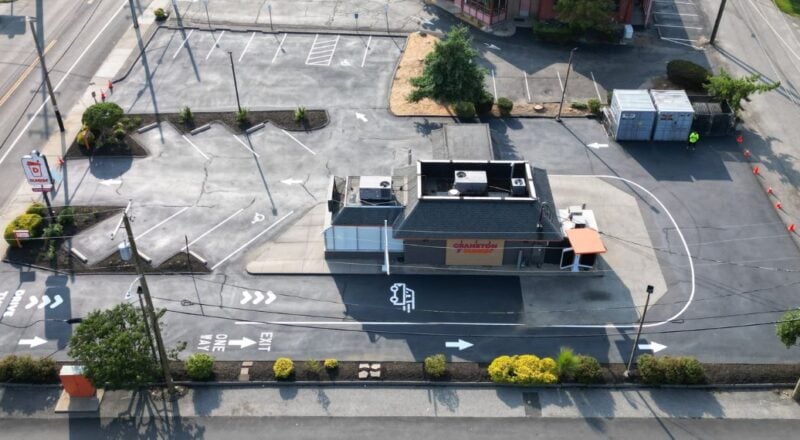
Learn how to reduce parking lot accidents with smart layout, fresh striping, ADA compliance, and pavement maintenance.
 Request Estimate